
What to Know Before Starting a Home Remodel in Minnesota
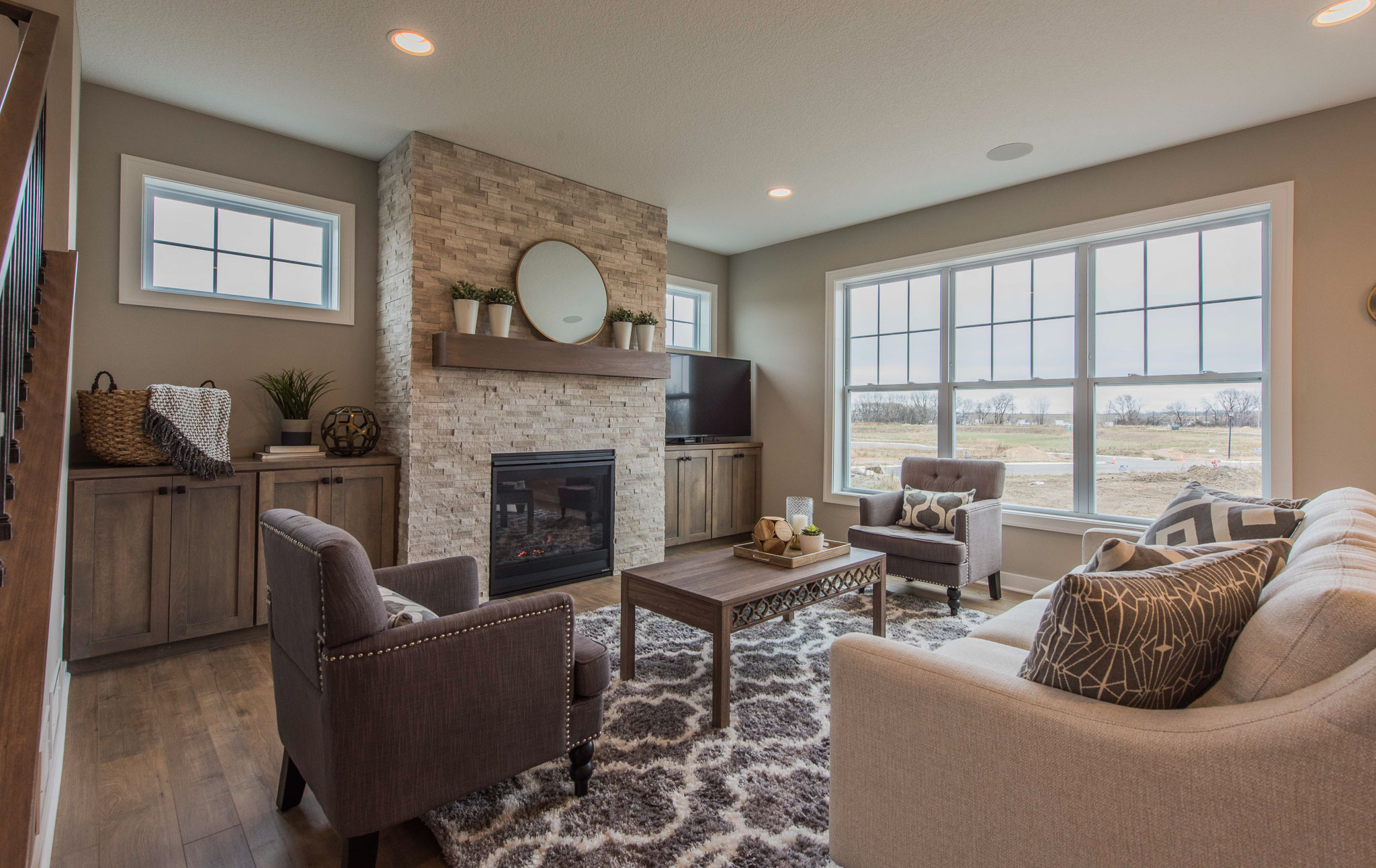
Remodeling your home can be one of the most rewarding things you do as a homeowner. It can also be one of the most overwhelming — especially if you go in without a plan.
Whether you're thinking about a kitchen remodel, a bathroom upgrade, or a full home renovation, a little preparation up front goes a long way. Here's what Minnesota homeowners should know before the first wall comes down.
Figure Out What's Actually Not Working
Before you start browsing tile samples or appliance packages, take a step back. Spend a week or two just paying attention to how you use the space you want to change. Where does clutter pile up? Where does foot traffic get awkward? What do you avoid using because it's inconvenient?
The best remodels aren't driven by trends — they're driven by how your household actually functions. A kitchen island looks great in a photo, but if your kitchen doesn't have the square footage for it, it'll create more problems than it solves. Start with the pain points, and the design decisions become much clearer.
Get Realistic About Budget — Early
One of the biggest sources of stress in a remodel is cost surprises. And they usually happen because the homeowner and the contractor had different assumptions about what the budget included.
A remodel budget isn't just materials and labor. It needs to account for design work, permits, inspections, fixtures, hardware, and selections like countertops and flooring. In older Minnesota homes, there's also the real possibility of discovering outdated wiring, water damage, or structural issues once demo begins.
A practical approach: decide on your total budget, then set aside 10–15% as a contingency. That buffer gives you room to handle the unexpected without derailing the project. And when you're talking to contractors, ask specifically how they structure their estimates — a clear, itemized breakdown is a sign you're working with someone who values transparency.
Understand Permits and Why They Matter
Most remodeling projects in Minnesota that involve structural, electrical, plumbing, or mechanical work require permits from your local municipality. This applies whether you're finishing a basement, moving walls in a kitchen, or adding a bathroom.
Permits exist to make sure the work meets current building codes. That protects you in three ways: it keeps your home safe, it keeps your homeowner's insurance valid, and it protects your resale value. An unpermitted remodel can become a serious liability when it's time to sell.
A licensed contractor will handle the entire permitting process — pulling the right permits, coordinating inspections, and making sure everything is up to code. If anyone suggests cutting corners on permits, that's a red flag worth taking seriously.
Plan for the Timeline — and the Disruption
Remodeling takes time, and living through it takes patience. A bathroom remodel might take 4–6 weeks. A full kitchen renovation could be 8–14 weeks depending on scope. Larger projects like additions or whole-home remodels can stretch longer.
Beyond the calendar, think about the day-to-day impact. If your kitchen is gutted for two months, where will you cook? If your only bathroom is being renovated, what's the plan? These aren't fun questions, but answering them before construction starts will save you a lot of stress during.
Also worth asking your contractor: what does the schedule look like week by week? When will subcontractors be on-site? What milestones should I expect and when? A clear timeline with checkpoints is far better than a vague "it'll be done by spring."
Communication Is the Difference Between a Good Experience and a Bad One
This is the thing most homeowners don't think about until they're mid-project — and by then, it's too late to fix. The quality of communication between you and your contractor will define your experience more than almost anything else.
Before you sign a contract, ask how the team communicates. Is there a dedicated project manager? Will you get weekly updates? Is there a shared platform where you can track progress, review documents, and approve changes? Or is it just "call me if you have questions"?
The best contractors use project management software that gives homeowners a client portal — one place to see the schedule, review selections, approve change orders, and message the team. It's not a luxury. It's how good builders run projects in 2026.
One More Thing: Trust Your GutGet Realistic About Budget — Early
Numbers and processes matter. But so does the feeling you get during that first conversation. Did the contractor ask thoughtful questions about how you live in your home? Did they listen more than they talked? Did they explain things clearly without being condescending?
You're going to be working closely with this team for weeks or months. The relationship should feel like a partnership — not a transaction.